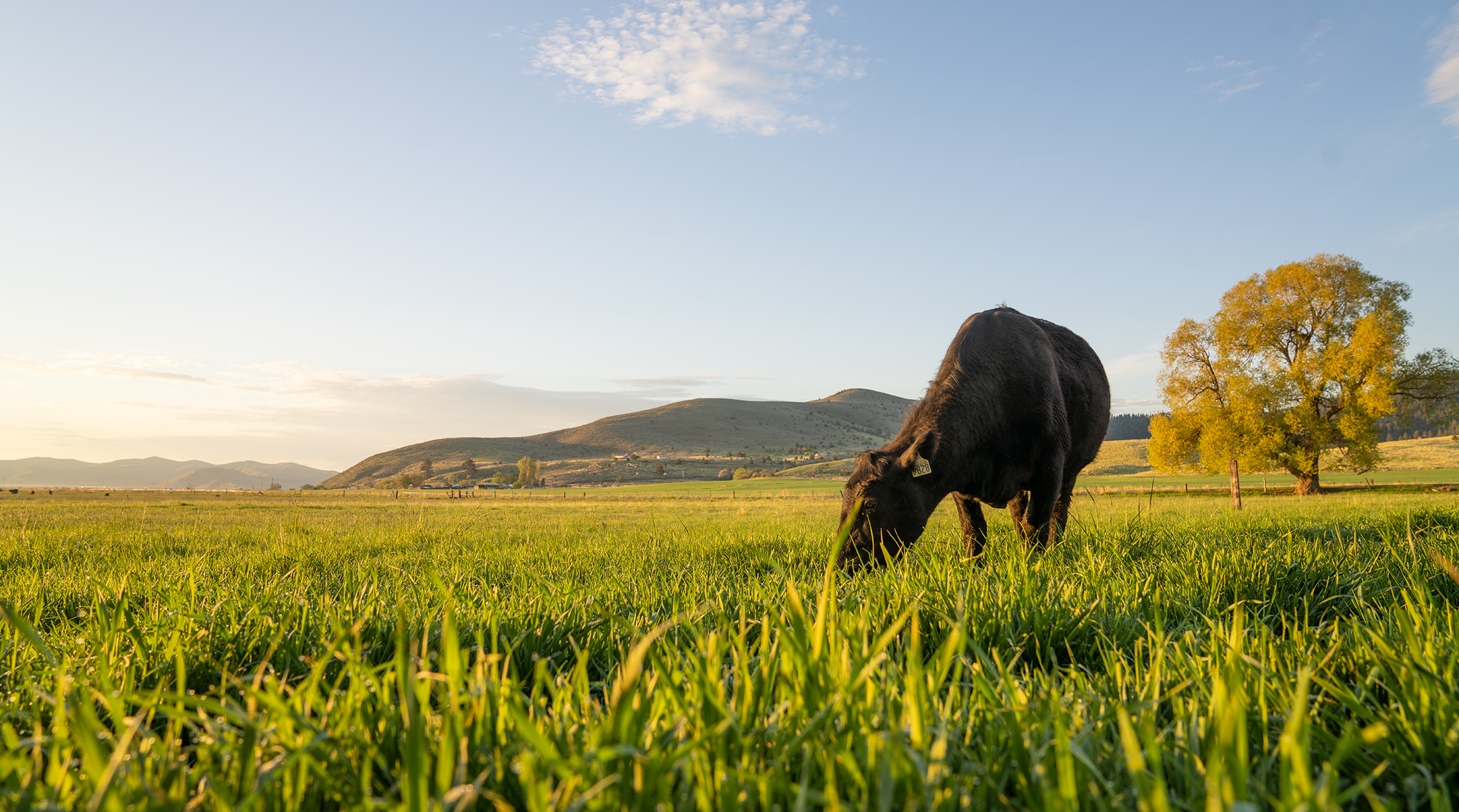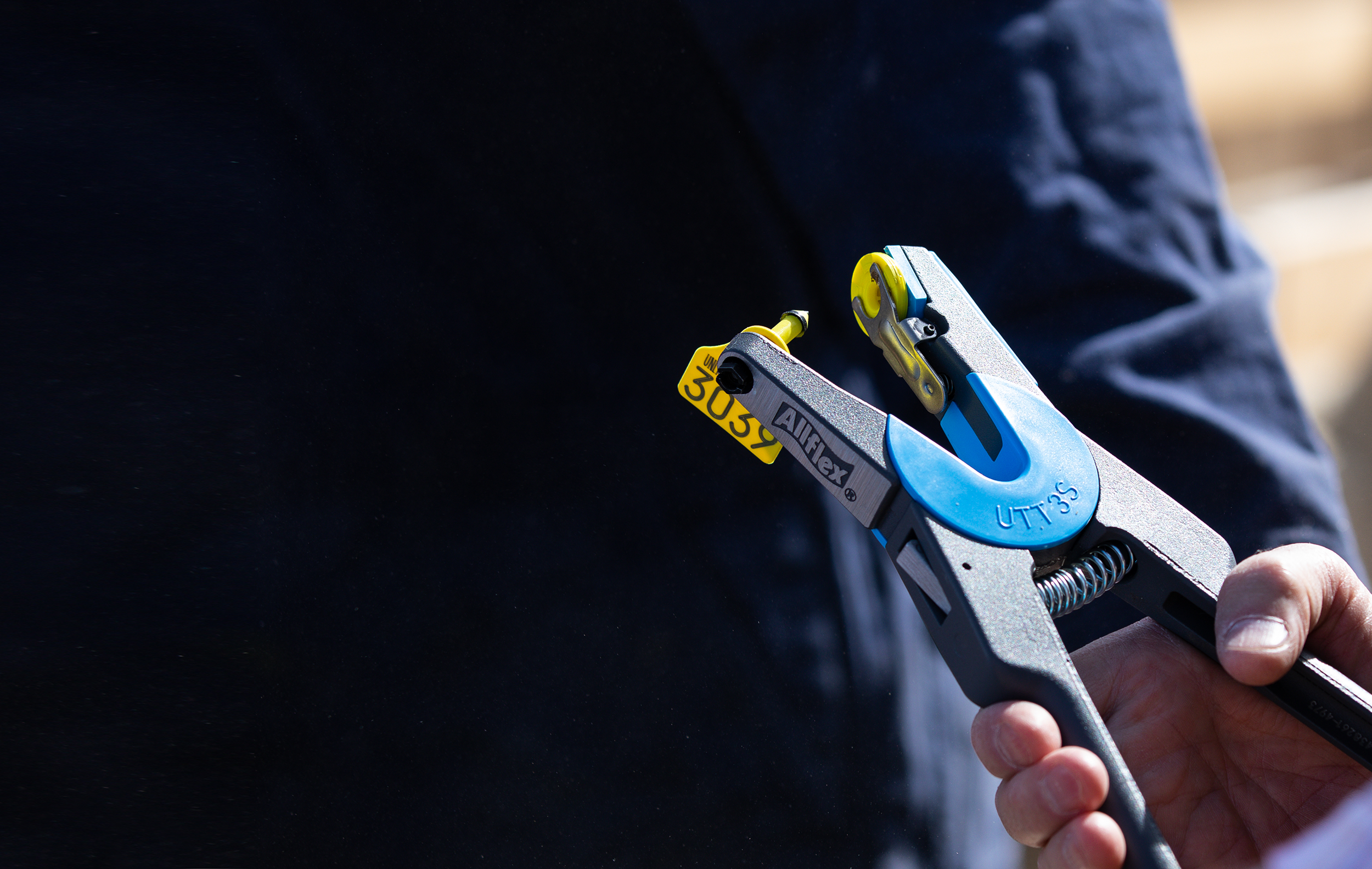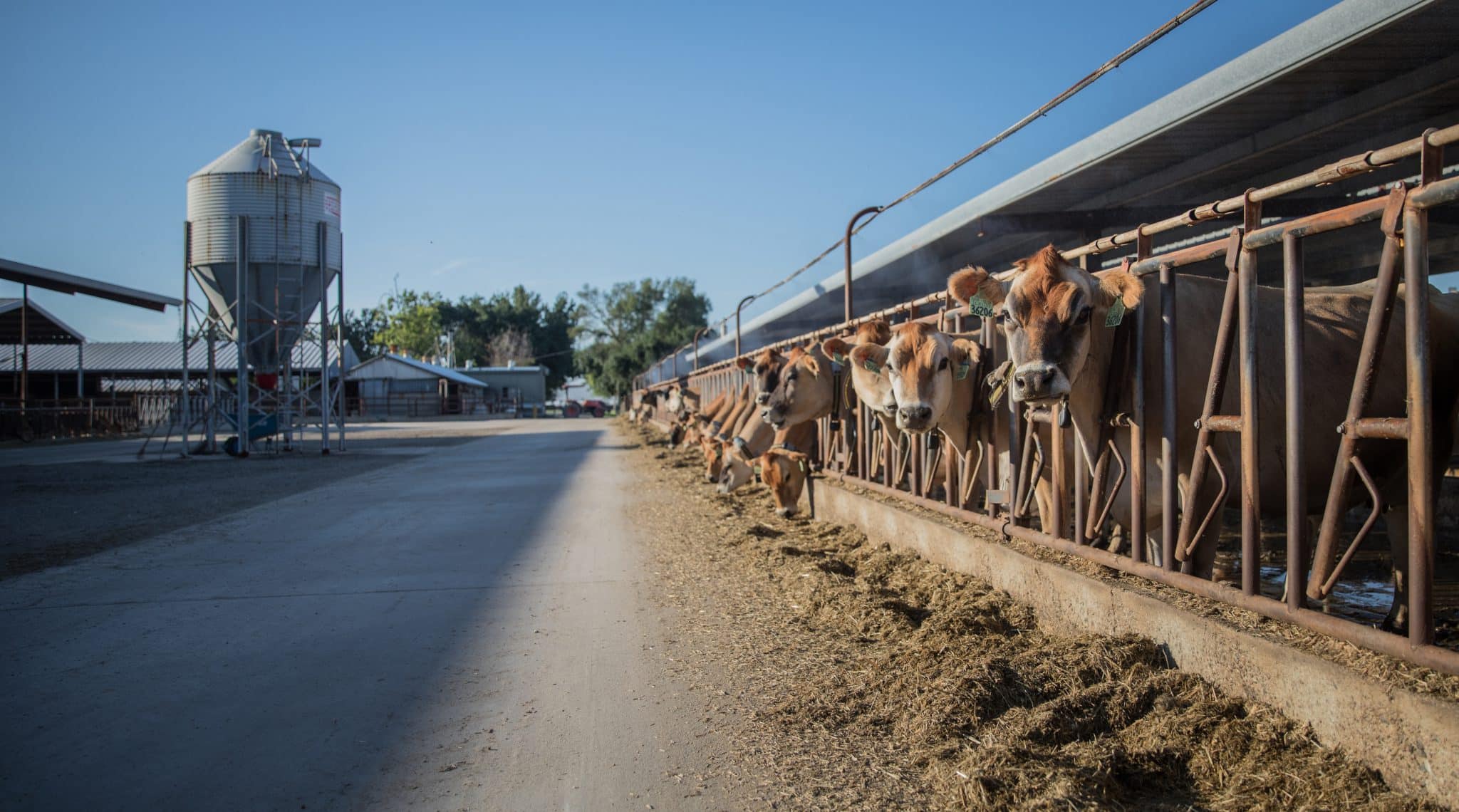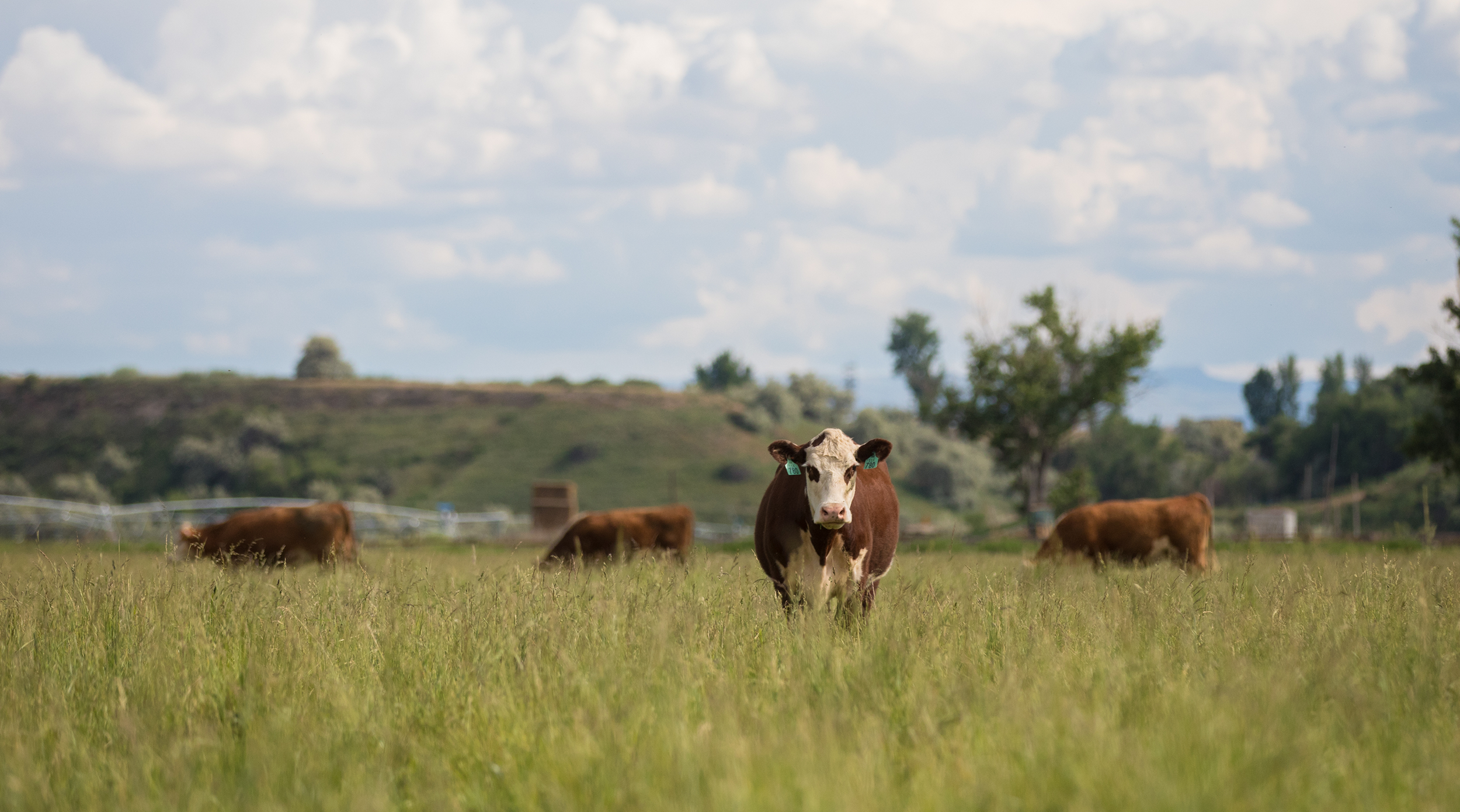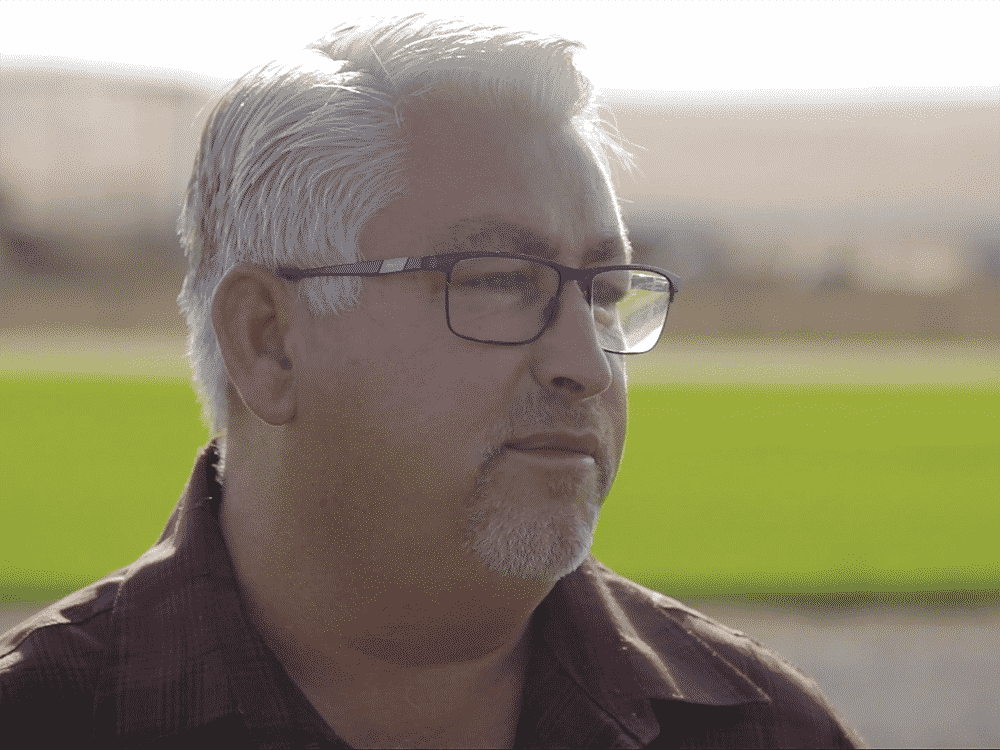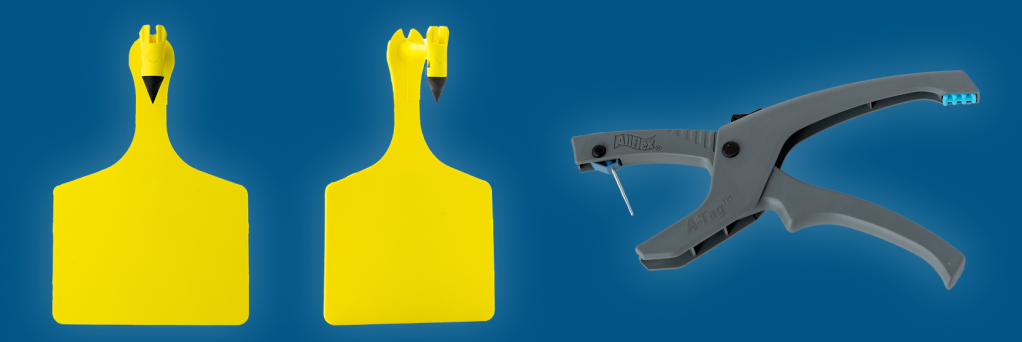



Marty Williamson, manager of the Yokohl Valley Cattle Company in Tulare County, CA has been using visual tags for several years and in the past year began tagging with an electronic identification (EID) tag as part of the Pfizer SelectVAC® program powered by AgInfoLink. Through this process-verified program, Williamson is able to source and age-verify calves creating better marketing opportunities.
“Our focus with ID is marketing age and source-verified cattle. Having good cattle and a premium on age and source creates opportunities,” says Williamson. “This will continue to be our focus.”
Yokohl Valley Cattle Company runs a commercial herd of 2,500 mother cows. They apply a visual and EID tag and wean calves for 45 days at a central location before shipping. Because they know each calf’s original location, they can identify issues to adjust rations and minerals by location as needed.
While the operation is taking small steps in using their identification program, Williamson sees greater opportunities ahead. As they replace cows, he plans to tag heifers as they move into the herd. Once that process is complete, they’ll incorporate more cow management data to improve how they make culling decisions.
“The tools are getting better all the time,” says Williamson. “The handheld readers work really well and can be moved to different locations. The costs are relatively inexpensive on a per-head basis especially when you have greater numbers and multiple years of data.”
Williamson recently installed a panel reader at the central processing location where calves can be run through during the receiving process.
“In any given year, depending on feed conditions, we may need to tighten up our program. Feed availability also dictates whether we ship straight from pasture or from central processing. Either way, we’ve got the tools to easily make it work,” Williamson says.
Ray-Mar Angus Ranch of Oakdale, CA is run by Brent Alger, a second-generation rancher in the family business. Brent runs purebred Angus herd of more than 2,000 animals in a diversified farming and livestock production operation built over the past 50 years. Two years ago, they began using electronic ID, along with freeze-branding, as their main identifiers.
“We track individual records for a registered herd. The value is the information we collect and the performance we demonstrate to our customers,” Alger says. “We tag calves as day-olds and begin tracking data right from the beginning. It is very important to have them all identified.”
Ray-Mar incorporated EID with the addition of new software. As they began to re-tag their herd, they verified each and every animal with existing records and cull data.
“This was a lengthy process, but worth it. Culling cattle is important in running a top-notch program,” says Alger. “With the chute-side computer and the help of the EID reader, culling has become more efficient. Without having to read visual tag or brand we know everything there is to know about that animal.”
Ray-Mar’s management approach is based on a wagon wheel representing fertility, maternal, growth, carcass, disposition, soundness, repeatability (ability to produce progeny as good as or better than the cow herself) and longevity. The data collection and analysis is easily managed with EID.
“Collecting data is a priority. We need a happy balance between all of the traits we’re measuring. Every spoke of the wagon wheel is of equal importance. The better you can do in every area, the better off we’ll be in the long run. If I can’t track that data, I don’t know what areas need to be addressed,” says Alger.
For commercial and seedstock producers like Yokohl Valley Cattle Company and Ray-Mar Angus, finding the right partner who has high-quality tools that work in different production environments is critical. Here are some questions to ask when considering tag suppliers.
- Product quality and performance – What materials are used? What about construction and durability? What has the tag provider done to improve retention?
- Animal welfare – Is the tag easy to apply and includes instructions for proper application and placement in keeping with good husbandry practices?
- Tamper-evident – Is there a method to identify tags that have been tampered with?
- Readability – Are the tag markings readable, fade-resistant and will they hold up in hot and cold environments?
- Supply – Does the company have automated manufacturing facilities that can provide you with the tags you need when you need them?
- Service and reputation – Is there someone to call when you need help? Is there a local resource to assist when you have a problem? Do they stand behind their products?
- Resources and information – Is the tag supplier a partner who will help you advance your business goals and help you identify the best solution for your needs?
“Identification is simply a tool, but the impact on your operation can be much greater than just the cost of a tag. If you start with good cattle, being involved in a marketing program can make them worth even more the day you sell them. If you’re looking for ways to improve the quality of your cattle, investing in identification now can reap benefits in the future,” says Brian Rainey, Allflex Western Regional Manager and EID Product Marketing Manager.
Controversy about cattle movement across the U.S.-Canada border and the “cow that stole Christmas,” the U.S. BSE animal (of Canadian origin) found in Washington on December 23, 2003, are top of mind for the livestock industry, especially Dr. Leonard Eldridge, state veterinarian and assistant director of animal services for the Washington Department of Agriculture.
Dr. Eldridge is responsible for disease monitoring and maintaining animal health requirements for livestock moving into the state from Canada, from other states and movement out of the state. As a practicing veterinarian for more than 40 years before joining the state’s animal health department in 2004, Dr. Eldridge makes no bones about the potential disease threats to the U.S. industry.
“We move livestock farther and faster than ever before. U.S. exports took a huge hit in 2004 and it made a serious impact on our state. Washington, along with neighboring states, is putting more tools in place to trace diseased and exposed animals if needed,” says Eldridge.
Bovine brucellosis and tuberculosis are the primary diseases specified in state entry requirements. Animals entering the state will fall into three classes: breeding cattle, feeder cattle kept in restricted feedyards in slaughter channels and cattle coming in directly for slaughter. Washington requires all female breeding cattle entering the state to have been vaccinated for brucellosis (either calfhood or mature vaccination). Brucellosis testing and vaccination is required on all Canadian, out of state, and change of ownership cattle. All dairy animals and beef animals coming from a TB high-risk area must be tested for bovine TB. Untested animals are either refused or held in a restricted holding facility while waiting for testing and must obtain an entry permit before entering the state. Orange brucellosis tags or official USDA ID tags are required and the official Canadian identification is captured for cattle coming across the border and linked with the brucellosis or USDA tags.
“Our unified database will help assure traceability in and out of the state and we need to continue to develop systems that give us a good way to trace animals that move within the state but this will be difficult without cooperation from industry,” says Eldridge. “I’m struggling to help producers understand that the need to protect is real … that the potential for devastation is real; not only for individual operations but for our entire industry.”
While Dr. Eldridge is realistic about the opposition to mandatory ID by some producers, he sees a voluntary program as an obstacle to effective disease control in the event of an outbreak.
“If and when a highly infectious disease like foot and mouth disease (FMD) hits our state … being able to trace where that animal has been and other animals that have been exposed would be a huge service to this state and to the country. The challenge is here, the technology exists and will get better – let’s get it done,” concludes Eldridge.
If you’re confused about the National Animal Identification System (NAIS), country of origin labeling (COOL) and what Process Verified Programs (PVPs) and Quality Systems Assessments (QSAs) are, then you are not alone. Here is a brief overview of what’s required by these programs.
NAIS
The intent of NAIS is to prevent the spread of livestock diseases by identifying animals that leave their place of birth and are commingled with other livestock. There are three components of the national program – premises registration, animal identification and traceability. At the federal level, NAIS is a voluntary program. State animal health departments are coordinating existing disease monitoring programs. Spurred by disease outbreaks, Michigan has chosen to enact state laws requiring livestock identification once animals are moved from their place of birth. These requirements are similar to those that Australia, Canada and some European and South American countries have put in place. For more information, visit www.usda.gov/nais/.
MCOOL or COOL
Mandatory country of origin labeling (MCOOL) is scheduled to be implemented on September 30, 2008 as required by the 2002 Farm Bill. The proposed 2007 Farm Bill provides four options for labeling fresh beef, pork, lamb and goat meat.
- Product of the United States. Product that has spent its entire life in the U.S. and is from animals that have never crossed the U.S. border.
- Multiple countries of origin. Product born in another country but raised and processed in the US and will carry a label listing all the countries involved. Example: Feeder calves imported from Mexico and then raised and harvested in the U.S.
- Imported for immediate slaughter. This would include animals that are imported to the U.S. for processing only and will carry a label listing all the countries involved.
- Foreign country of origin. This label is for all meat at retail that is imported into the U.S. and will only list the product’s country of origin. At this time USDA has not defined documentation requirements for COOL. For more information, visit www.ams.usda.gov/cool.
Value-Added Marketing Programs
Whether identifying for a voluntary or mandatory health or labeling requirement, producers across the country are using identification as a management tool to add value to their operations by marketing through PVP or QSA programs. These programs are used to qualify animals for specific export programs (such as age and source verification for the Japan market) or documenting health status, specific vaccination and herd health protocols. Here are how these two programs are different. Both programs require USDA audits to ensure that participants in each program are following program requirements.
- Quality Systems Assessments (QSAs). A USDA-established guideline that qualifies age and source verified cattle for Japanese export and hormone-free animals for the European market. For more information, visit www.ams.usda.gov/lsg/arc/qsap.htm.
- Process Verified Programs (PVPs). A USDA-audited program that can include marketing and management claims. For example, natural, organic or vitamin E enhanced diets could be part of the PVP. USDA does not define guidelines for PVPs but will audit for verification. These programs can also feed into a Beef Export Verification Program (BEV) and qualify cattle for export. For more information, visit http://processverified.usda.gov.
Review your marketing goals when deciding which, if any, value-added programs will help you make more money. Determine opportunities based on your management practices. If you are already identifying animals, you can also use that identification as part of your marketing or herd management efforts. While animal identification is part of the documentation for these programs, neither is tied to NAIS.
USDA Animal and Plant Health Inspection Service (APHIS), along with state animal health agencies are issuing approved 840 RFID tags for state-federal cooperative disease control and eradication efforts in targeted, increased-risk locations. Several states are dealing with disease issues that threaten the states’ livestock industries. USDA is utilizing premise ID and electronic identification for several of these programs.
New Mexico and Texas are facing bovine TB outbreaks and are working to regain their tuberculosis-free status. Recently the Texas Animal Health Commission announced new in-state movement requirements for Texas dairy breed cattle. Because they are managed in close confinement, dairy animals can have a higher risk for disease exposure from an infected animal. According to the new cattle tuberculosis regulations adopted in September, Texas dairy cattle, regardless of age or sex are to be identified prior to in-state movement and owners should keep a record of identified cattle. The TAHC will encourage voluntary compliance through March 31, 2008 giving producers time to select and acquire their identification tags according to Dr. Dee Ellis, assistant state veterinarian. Several identification options are allowed. Check www.tahc.state.tx.us for more information.
Since March of 2007, all cattle leaving their Michigan premises should be tagged with an approved RFID tag. Michigan’s mandatory premises registration and animal identification system was established to help eradicate bovine TB. For more information visit www.michigan.gov.
Some state animal health regulations require identification and/or health certificates for movement of animals across state lines. Livestock producers should contact their state animal health department to determine specific health certification and identification requirements within their state and with neighboring states.
For any sales organization, it’s important to know who’s got your back. For the Allflex organization, a top-notch team of seasoned customer service representatives has it covered. Based in Dallas, Allflex’s customer service staff has 50 years of combined product and industry knowledge.
“Donna James has built a customer service staff that is held to higher standards than most. It’s apparent when we work with our customer service group that they know our products and take pride in their careers,” says Scott Holt, Associate National Sales Manager.
“As producers’ information needs become more complex, we have staff members who specialize in different product lines from program tags to stock product. Our sales force can work with the right customer service person to ensure a hassle-free process for the customer.”
“Allflex’s customer service reps are the best, they know the products and can always answer the questions we have, making ordering easy,” said Jennifer Teter in Billings, MT.
Melissa Delatorre, Customer Service Supervisor, works closely with southwest and southeast regions. Melissa has been with Allflex for six years. Kristi Carrell, a veteran of nearly 19 years, handles Northwest, Western and Great Plains regions. Michael Williams has been with Allflex for 20 years. He handles Southwest Plains and North Central Regions. Lori Braden, has been with Allflex for nearly 2 years and is the international specialist handling Western Canada and Mexico, as well as Central and Northeast regions of the U.S. Sarah Patterson recently joined the team and is in training. Customer Service reports to Donna James, Commercial Services Manager.
“At times, we ask them to do the impossible and whenever possible they really help us out. It’s nice to know that even in our busiest times, we can call in and our Customer Service group will go the extra mile to help us out,” adds Scott Holt.
In a time when email, text messages and online ordering is capturing a big share of commerce and retail trade, there is comfort in knowing you can still find a knowledgeable person to talk with when there is a question.
“Our purchaser wants every order to be an Allflex order. The whole customer service staff at Allflex is the most knowledgeable and easiest to work with,” said K.D. Roach in Spanish Fork, UT.
“The customer service we get from Allflex is excellent. They are very attentive and efficient,” said Kelle Aguiar in Visalia, CA. “I personally place quite a few orders a day with Allflex. Thank you for the great customer service.”